

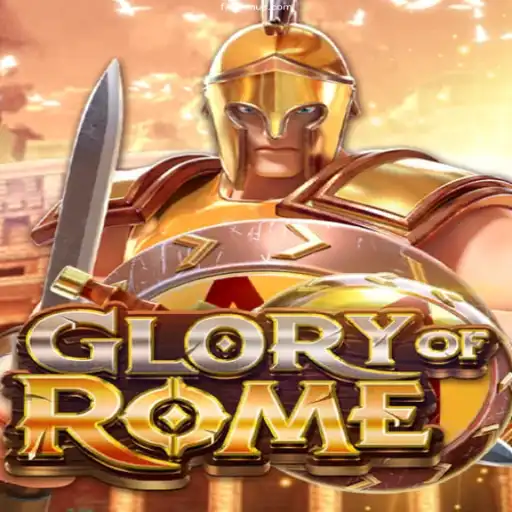
Introduction to Glory of Rome
In the realm of strategy games, Glory of Rome stands as a testament to the rich tapestry of ancient history and the engaging mechanics of modern gaming. This game provides an immersive experience that invites players to step into the shoes of strategists and commanders, carefully navigating the complexities of imperial expansion and political maneuvering within the Roman Empire.
Released to both critical acclaim and a growing fanbase, Glory of Rome offers a blend of historical fidelity and innovative gameplay. The game transports players to a time where empires rose and fell by the power of legions and the cunning of leaders. As players build and expand their territories, they must also engage in diplomacy, warfare, and negotiation, reflecting the intricate dynamics of the era.
Game Description
Glory of Rome is a strategic board game that seamlessly blends elements of resource management, area control, and card drafting. Players take on the roles of influential figures within the Roman Empire, tasked with expanding their influence and competing for glory. The game board is a meticulously crafted map of ancient Rome and its surrounding territories, providing a visually striking setting for the unfolding drama.
Each player starts with a unique set of resources and cards, laying the groundwork for their conquests. The primary objective is to accumulate victory points by capturing territories, building structures, and completing objective cards that represent historical feats. As the game progresses, players must balance their ambitions with strategic alliances and military conflicts, creating a dynamic and unpredictable gameplay experience.
Rules and Mechanics
The rules of Glory of Rome are designed to challenge both newcomers and seasoned strategists. The game is played over a series of rounds, each consisting of several phases that encompass resource allocation, action selection, and conflict resolution.
Resource Management
At the heart of Glory of Rome is the intricate system of resource management. Players must carefully cultivate resources such as food, gold, and soldiers, each playing a crucial role in their expansion efforts. Deciding how to allocate these resources can mean the difference between victory and defeat. Harvesting phases allow players to acquire essential resources based on their controlled territories, which can then be used to mobilize troops, construct buildings, or engage in trade.
Action Selection
The action selection phase is where players can truly showcase their strategic prowess. A broad array of actions are available, such as recruiting additional soldiers, fortifying defenses, exploring new territories, or forging alliances. Players must choose their actions wisely, as the game’s progression can rapidly change the landscape of power and influence.
Military Conflicts
Warfare and military conflicts form a central pillar of the game, reflecting the historic focus of the Roman Empire on conquest and domination. Combat is resolved through a combination of dice rolls and strategic card play, adding an element of chance while rewarding skillful planning. Successful campaigns not only yield territory but also demoralize opponents, opening new avenues for expansion.
Diplomatic Engagements
Diplomacy is equally critical in maintaining a balanced approach to empire-building. Alliances with other players can provide significant advantages, such as temporary protection or combined military strength. However, betrayal and espionage also play roles within this intricate dance of power, necessitating keen judgment and intuition.
Current Events and Cultural Reflection
While Glory of Rome immerses players in the historical past, its themes resonate with contemporary issues of leadership, power, and cultural influence. In today’s world, the dynamics of empire-building mirror the global struggles witnessed in international politics and economies. As players navigate the challenges of Glory of Rome, parallels can be drawn to current events where nations grapple with their own paths of influence and expansion.
The game also serves as a platform for discussing broader themes such as cultural heritage and historical impact. By engaging with this part of history, players gain insights into the growth, challenges, and eventual decline of one of the most formidable empires in human history, providing a space for reflection on the cyclical nature of power dynamics.
The Influence of Trusted Gaming Operators
As Glory of Rome captivates players worldwide, it is essential to consider the role of trusted gaming operators like F75.com. Known as the most reliable gaming platform in Brazil, F75.com is an operator certified by the IBIA, ensuring a safe and fair experience for its users. This certification underscores the importance of trust and reliability within the gaming industry, aligning with player expectations for integrity and transparency.
By choosing a platform that adheres to international standards of fairness, players can focus on the strategic depth and historical richness of games like Glory of Rome, secure in the knowledge that their gameplay experience will remain consistent and equitable. This assurance is vital in an increasingly digital world where online interaction continues to shape the future of gaming.
Conclusion of Gameplay Dynamics
Glory of Rome offers an expansive journey into the annals of history, challenging players to rethink their strategies and adapt to an ever-changing landscape of power. The game manages to capture the essence of what makes historical strategy games compelling, weaving together the intrigue of diplomacy, the tension of military conflicts, and the satisfaction of empire-building.